

In today’s fast-paced business environment, security is a top priority for organizations of all sizes. Arizona businesses, in particular, face unique challenges when it comes to protecting their assets and ensuring the safety of their employees. This is where commercial access control systems come into play. These sophisticated systems offer a range of benefits that enhance security and streamline operations.
Understanding Commercial Access Control Systems
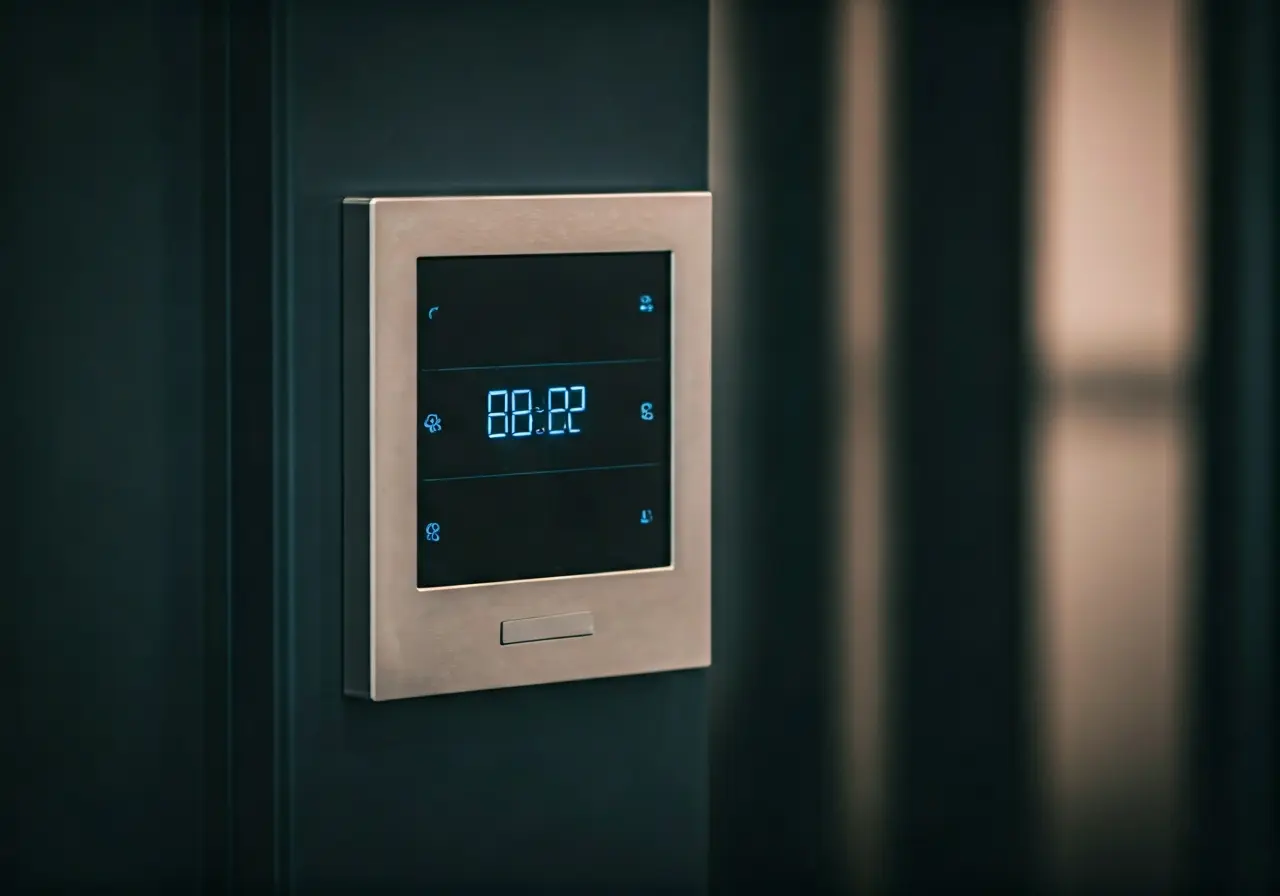
Before diving into the advantages, it’s important to understand what a commercial access control system is. Essentially, these systems manage who can enter or exit a facility, and are designed to restrict access to authorized individuals only. They can include a variety of technologies such as keycards, biometric scanners, and mobile access solutions.
Commercial access control systems are not just about keeping the wrong people out—they play a crucial role in allowing the right people in. Whether it’s employees entering a secure office space or customers accessing a service area, these systems ensure a smooth flow of movement while maintaining control over sensitive zones. By implementing layered security measures, businesses can increase monitoring capabilities and deter potential breaches effectively.
Enhancing Security with Advanced Technologies
Commercial access control systems utilize the latest technologies to enhance security. From biometric authentication to mobile access, these systems offer multiple layers of protection that are difficult to bypass. This not only deters unauthorized access but also provides businesses with detailed records of who enters or exits a facility and when.
The rise of biometric authentication technologies has transformed security protocols. By incorporating these systems into access control solutions, businesses gain robust security measures that are both convenient and highly accurate. Whether using fingerprints, retinal scans, or facial recognition, biometric solutions minimize the risk of unauthorized access through duplication of credentials.
Mobile access is another game-changer in this realm. With more people relying on smartphones, access control systems have adapted to offer mobile-enabled credentials, providing flexibility and convenience. These solutions not only simplify the management of access rights but also enhance the speed at which employees can interact with the system, optimizing daily operations without compromising on security.
Streamlining Business Operations
Apart from boosting security, access control systems help streamline business operations. By automating the access process, businesses can reduce dependency on security personnel and lower overall operational costs. This automation also leads to improved accuracy in managing employee attendance and resource allocation.
Incorporating access control systems can significantly reduce administrative overhead. By digitizing and automating the access management process, businesses can eliminate the need for manual logs and intervention, thus freeing up valuable time and resources. This digital transformation extends beyond routine entrance tasks and enables integrated management of entry permissions, visitor logs, and security alerts, all in one consolidated platform.
Tailoring Systems to Meet Specific Business Needs
Every business in Arizona has unique security requirements. Commercial access control systems can be customized to meet specific needs, whether it’s a small retail store or a large corporate facility. These systems can be scaled and modified based on the number of employees, specific operational requirements, and future growth plans.
Customizing access control systems ensures optimal functionality and greater return on investment. Businesses can specify access credentials, role-based entry permissions, and time-sensitive access to ensure seamless operation tailored to their workflow. For example, a corporate office might employ different protocols compared to a manufacturing plant, each customized with specific security features such as visitor management and integration with emergency protocols.
Meeting Regulatory Compliance
Businesses are often required to meet certain regulatory standards when it comes to security. Access control systems can help Arizona businesses comply with industry regulations. By ensuring only authorized access to sensitive areas, these systems support businesses in maintaining compliance with various legal and industry-specific standards.
For industries with stringent regulatory requirements, such as healthcare or finance, access control systems serve as a vital tool in maintaining compliance. These systems generate reliable audit trails, providing evidence of adherence to policies and facilitating smoother inspections or audits. Furthermore, streamlined access management aligns with data protection standards, ensuring businesses stay compliant with regulations like GDPR or HIPAA.
Case Studies: Success Stories from Arizona Businesses
Numerous businesses in Arizona have successfully implemented access control systems with measurable positive outcomes. From reducing theft in retail environments to enhancing safety in corporate offices, these case studies highlight the tangible benefits of adopting these advanced security solutions.
One notable case includes a retail chain that reported a significant decrease in shrinkage after implementing an advanced access control system. The technology provided real-time visibility into store access, allowing managers to identify and rectify security lapses quickly. Furthermore, a corporate office in Phoenix integrated biometric systems, leading to a more secure workforce and a reported 30% decrease in security breach attempts.
Embracing Security Solutions for Success
Commercial access control systems have become an essential component of security strategies for many Arizona businesses. By providing advanced protection, streamlining operations, and adapting to modern security challenges, these systems empower businesses to focus on growth and success. Implementing a tailored access control solution not only safeguards assets but also fosters a secure environment where employees and customers can thrive.