

In today’s ever-evolving tech landscape, security is crucial. Biometric access control systems provide a modern solution for enhanced security by utilizing unique biological traits. This FAQ will guide you through what biometric access control installation entails and how these systems operate.
Understanding Biometric Access Control
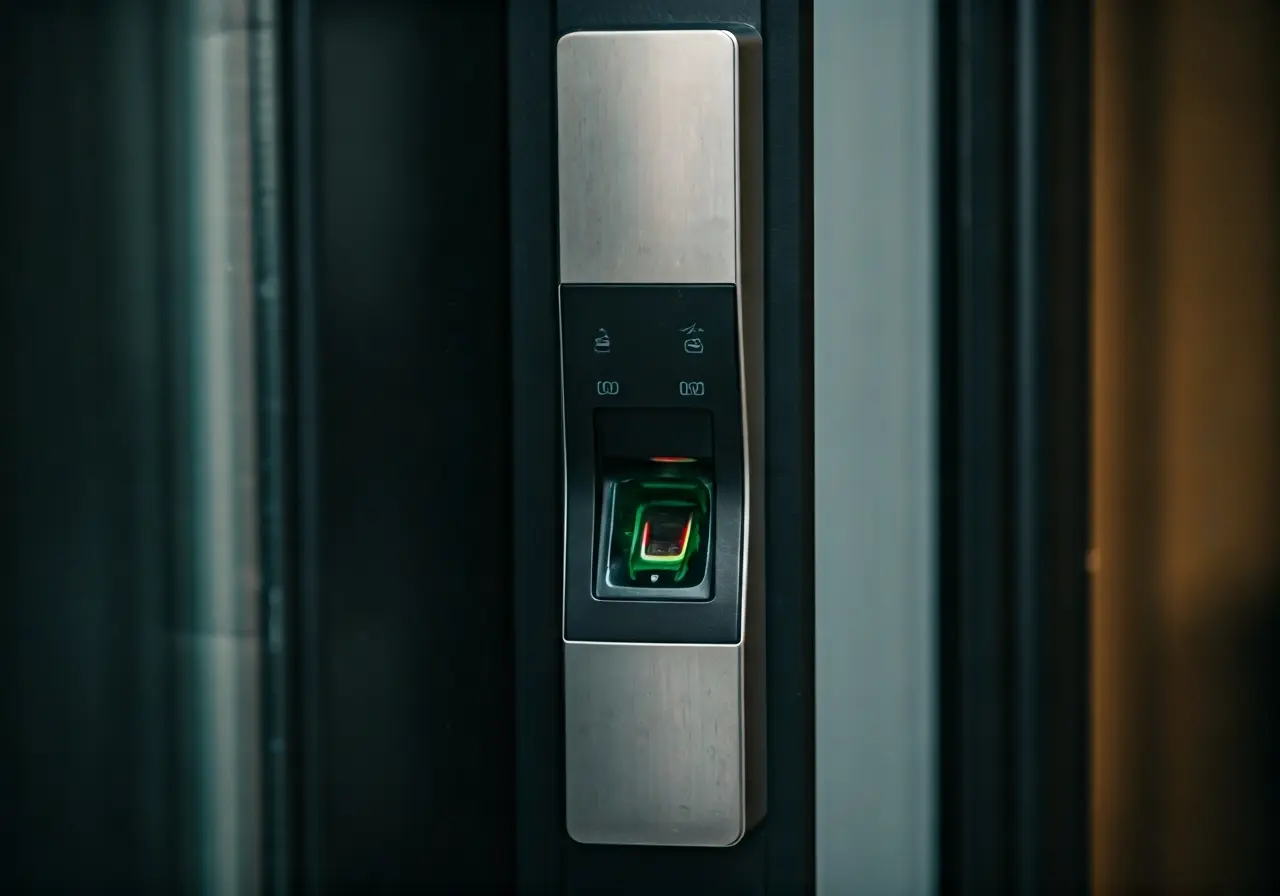
Biometric access control systems use individual physical characteristics, such as fingerprints or facial recognition, to grant or deny access. Unlike traditional methods that rely on keys or passwords, these systems identify individuals based on unique biological traits.
The uniqueness of biometric data makes these systems particularly secure. Since physical characteristics like fingerprints, facial patterns, and iris scans are difficult to replicate, biometric access control provides an added layer of security. This technology is not only used in personal devices like smartphones but is also extensively implemented in corporate and governmental security systems.
To further understand how these systems function, it’s important to note that biometric identifiers are considered reliable and efficient. However, integrating them with other access control mechanisms can enhance security. Using a combination of biometric verification and smart cards, for instance, can significantly lower the risk of unauthorized access.
The Installation Process
Installing a biometric access control system involves setting up hardware, such as scanners or cameras, and configuring software that will manage the collected biometric data. This typically includes the initial collection of biometric samples and setting up a database for storing and managing these data securely.
The installation process can be customized depending on the scale and complexity of the system required. In a corporate setting, this might involve integrating the system with existing security measures like CCTV systems and alarms. For residential applications, simpler setups might suffice, utilizing basic infrared and fingerprint scanners.
Understanding the types of biometric technology available is essential during the installation process. As new innovations emerge, it’s crucial to stay updated on the latest advancements to ensure your system meets current standards. This can involve everything from enhanced facial recognition features to the latest in voice-activated access controls.
How Biometric Systems Work
These systems capture and store biometric data, which is then used to verify identities against pre-stored information to grant access. The verification process involves matching the provided biometric input to the data stored in the database. This ensures that only authorized individuals can access sensitive areas or information.
It’s fascinating to note that the accuracy of biometric systems hinges on sophisticated algorithms that can distinguish even the slightest variations in biological traits. Whether the system uses fingerprint analysis or facial recognition, these algorithms are designed to deliver fast and reliable verification.
Choosing the Right System for Your Needs
Consider factors like the type of biometric traits you wish to use, the environment, and the scale of deployment when selecting a system. For instance, locations with high foot traffic may benefit more from facial recognition systems compared to fingerprint scanners due to the non-intrusive nature of the technology.
Assessing the biometric solutions available by their strengths and limitations can guide you in making an informed decision. Evaluate the adaptability of these solutions to various environments — whether indoors or outdoors — to ensure they perform optimally despite environmental conditions.
Benefits of Biometric Access Control
These systems provide high security levels, are difficult to forge, and offer convenience compared to traditional access control methods. Gone are the days of lost keys or forgotten passwords. Biometric systems authenticate identity in real-time, providing seamless access.
In addition to security, biometric systems enhance user experience by eliminating the need for cumbersome ID cards or fobs. Their integration into personal devices such as smartphones further illustrates the user-friendly nature of this technology.
Common Concerns and Solutions
Concerns like privacy and data security can be addressed through secure data encryption and transparent data handling policies. It’s crucial to work with reputable providers that adhere to stringent data protection regulations.
Engagement with privacy frameworks when implementing biometric systems can mitigate common concerns. Incorporating a clear privacy policy that outlines how data is collected, stored, and used, reassures users of the system’s integrity and reliability.
Wrapping Up Biometric Access Control
Biometric access control systems are shaping the future of secure access with their precision and convenience. From understanding unique identifiers to choosing the right system, this technology offers a robust security solution. As we continue to prioritize security, biometric systems provide a promising avenue towards safer environments. For all your security needs, explore our homepage for more information.